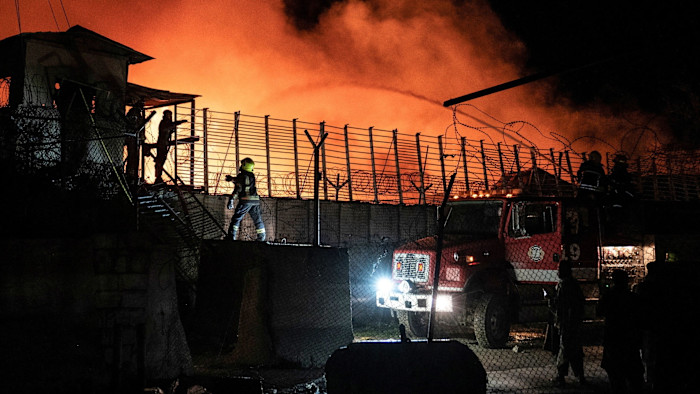
The Pakistan Armed Forces carried out airstrikes inside Afghanistan late on March 16, targeting military sites linked to the Afghan Taliban in response to what officials described as unprovoked aggression. The strikes focused on strategic locations in Kabul and Nangarhar Province where technical infrastructure and ammunition facilities were reportedly operating.
Security officials said the airstrikes successfully destroyed technical support systems and ammunition storage facilities at two major locations in Kabul. According to the sources, powerful explosions followed the strikes, and rising flames caused by secondary detonations indicated the presence of a large cache of stored explosives at the targeted site.
Read more : Pakistan intercepts Afghan Taliban drones, civilians injured by debris
Meanwhile, Pakistani forces also launched coordinated strikes on several installations in Nangarhar during the same operation. Officials stated that the airstrikes hit four separate Taliban-linked locations and damaged logistics facilities, ammunition depots, and nearby technical infrastructure that supported military operations.
However, Taliban authorities rejected the claims about military targets and presented a different version of events. Taliban spokesperson Zabihullah Mujahid said the attack had targeted a drug rehabilitation hospital, an allegation that Pakistani security sources dismissed and described as inaccurate.
Read more : Pakistan continues to inflict heavy losses on Afghan Taliban
Officials further stated that the operation formed part of a broader military campaign aimed at responding to cross-border threats. The strikes were conducted under the framework of Operation Ghazab Lil-Haq, which authorities say will continue until its security objectives are fully achieved.
The development highlights growing tensions along the Pakistan-Afghanistan border and reflects Islamabad’s increasingly firm response to security challenges in the region. Analysts warn that continued military actions and counterclaims from both sides could further complicate an already fragile security situation.