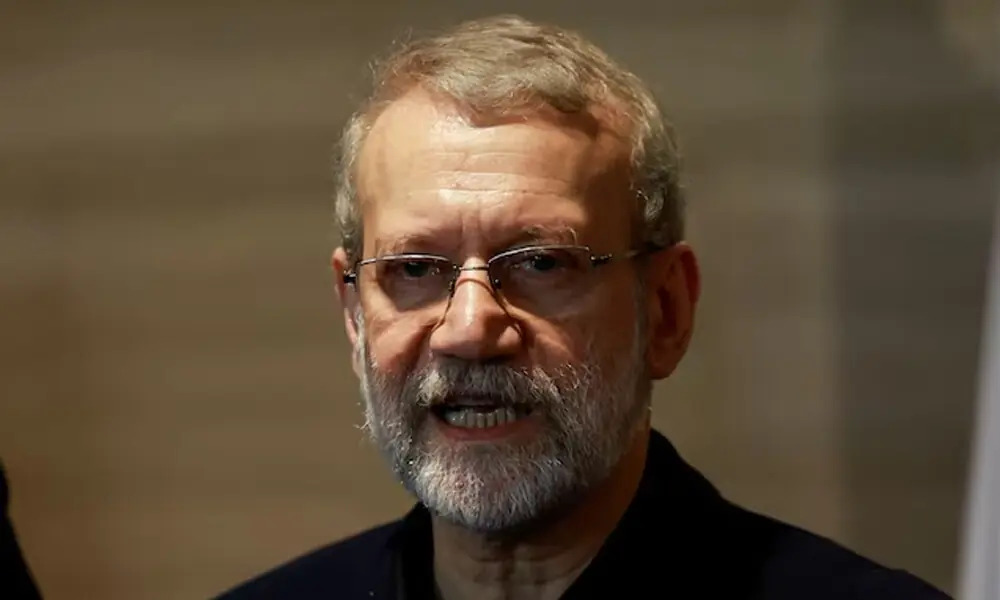
Israel said it killed Iran’s powerful national security chief, Ali Larijani, calling him the “boss of the Revolutionary Guards” and a key figure in the Islamic Republic’s strategic and defense operations.
Prime Minister Benjamin Netanyahu described Larijani as part of the “gang of gangsters” running Iran. His death, if confirmed, follows the February 28 killing of Iran’s supreme leader Ayatollah Ali Khamenei, further intensifying the ongoing US-Israel-Iran conflict and disrupting global markets.
Read more: Iran rejects de-escalation amid rising tensions
Larijani, 68, was central to Iran’s nuclear policy, regional strategy, and regime survival. Shortly after the reported strike, his social media posted a note honoring Iranian sailors killed in a US submarine attack, though it did not confirm his death. Israel also said it had killed Gholamreza Soleimani, head of the Basij paramilitary force, and targeted Akram al-Ajouri of Palestinian Islamic Jihad, though his fate remains unverified.
The conflict has prompted retaliatory strikes from Iran, disrupted the Strait of Hormuz, and driven up global oil prices. Nations including France, Germany, and EU members have expressed reluctance to intervene, while US President Donald Trump declared the US no longer needs NATO or other allies to secure the strait, claiming “military success.”
Read more: Iran’s supreme leader rejects ceasefire proposals with US
The war has also spilled into Lebanon, where Hezbollah attacks prompted Israeli airstrikes. The Lebanese military reported three soldiers killed in two strikes, while over a million civilians have been displaced. Humanitarian facilities are overwhelmed, with shelters unable to accommodate the growing number of displaced residents.
Oil markets and global shipping remain under strain as regional instability persists, while international efforts to mediate remain limited amid escalating hostilities.