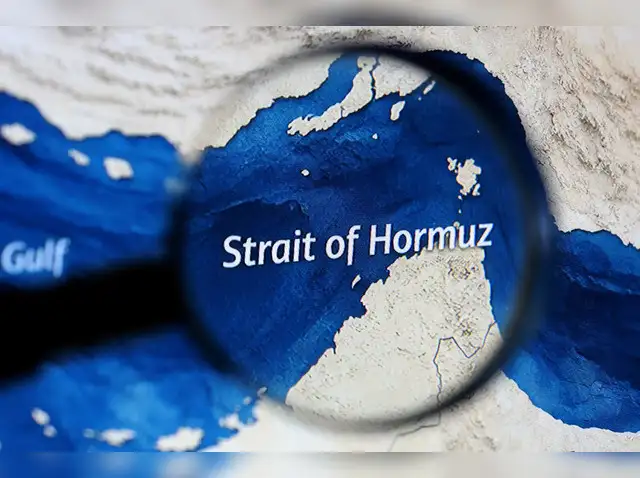
Iranian state media has reported that a parliamentary commission has approved a proposal plan to impose toll on vessels passing through the Strait of Hormuz, a critical global energy shipping route for oil and gas. The move comes amid ongoing conflict in the Middle East, which has already severely disrupted maritime traffic in the region.
Read More: Iran allows two Pakistani ships through Hormuz
According to state television, the plan includes financial measures such as a toll system denominated in Iranian rials, along with broader efforts to reinforce what officials describe as Iran’s sovereign authority over the waterway. The proposal also suggests coordination with Oman, which shares control of the strategic strait.
#Iran has approved a plan to impose tolls on ships passing through the #StraitOfHormuz amid the ongoing #WestAsiaWar, raising concerns over global oil supply as #Brentcrude trades near $111 a barrel.https://t.co/RDobDDqmi3
— Business Standard (@bsindia) March 31, 2026
In a controversial provision, the plan outlines a potential ban on vessels linked to the United States and Israel from transiting the passage. It also calls for restrictions on countries that impose sanctions on Iran, signaling a more assertive geopolitical stance amid heightened regional tensions.
The Strait of Hormuz is one of the world’s most vital energy corridors, with roughly 20 percent of global crude oil and liquefied natural gas shipments passing through it during normal conditions. However, since the outbreak of conflict, maritime traffic through the route has declined sharply. Data from maritime intelligence firm Kpler indicates that crossings have dropped by approximately 95 percent.
The sharp decline has already sent ripples through global energy markets, raising concerns about supply shortages and price volatility. Analysts warn that any formal implementation of tolls or further restrictions could intensify disruptions, affecting both regional stability and international trade.
Read More: Hormuz disruption triggered fears of increase in global oil markets
As the situation unfolds, the proposed measures highlight the growing intersection of geopolitics and energy security in one of the world’s most sensitive maritime chokepoints.