Pakistan continues efforts to secure a ceasefire amid rising regional tensions. The push matters as conflict disrupts trade and strains the national economy. Citizens, businesses, and regional partners face growing uncertainty and financial pressure.
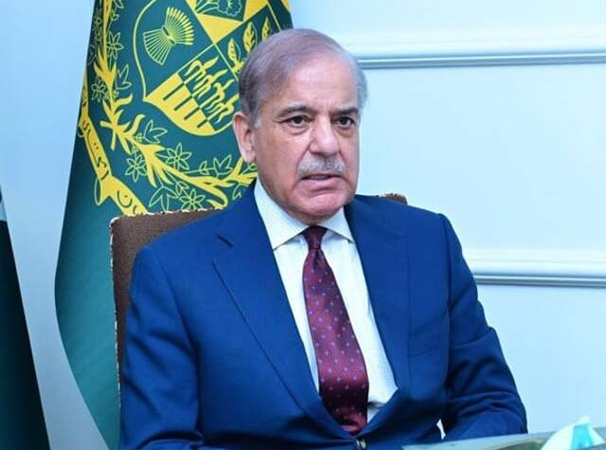
Prime Minister Shehbaz Sharif said Pakistan remains committed to reducing tensions through diplomatic efforts. He addressed a high-level meeting on the evolving regional situation. He warned that ongoing conflict is affecting Pakistan’s economy and stability. Moreover, he stressed the urgency of coordinated action to prevent further escalation.
Read more: PM Shehbaz Chairs High-Level Meeting on Energy Crisis
Meanwhile, the deputy prime minister is actively engaging regional stakeholders to de-escalate the crisis. Officials are working continuously to promote dialogue and peaceful solutions. In addition, Pakistan has attempted to calm tensions through diplomatic outreach. These efforts aim to protect economic interests and regional stability.
The prime minister also revealed that two Pakistani ships were stranded in the Strait of Hormuz. However, both vessels safely passed through after coordinated efforts by senior officials. This development eased concerns about trade disruptions and supply chain delays. It also highlighted the risks posed by ongoing conflict in key maritime routes.
Read more: Shehbaz Sharif meets Zardari on regional challenges
Furthermore, provincial leaders have pledged support to manage wartime challenges effectively. The federal government recently cut 100 billion rupees from its development program. Lawmakers also introduced measures to conserve fuel and reduce economic strain. These steps aim to stabilize the economy during a period of heightened uncertainty.