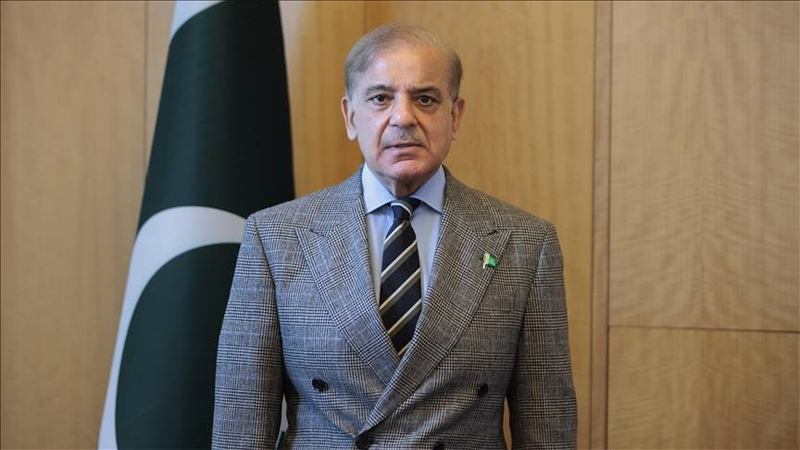
 Prime Minister Shehbaz Sharif has rejected a set of tax proposals put forward by the country’s economic team, making it clear that no mini budget will be introduced.
According to sources in the Finance Ministry, the economic team had proposed new taxation measures to address a revenue shortfall. However, the prime minister turned down these suggestions, directing officials to avoid imposing any new taxes for now and instead focus on providing relief to the public.
He also dismissed a proposal to present the federal budget in the last week of May, instructing that neither new taxes nor a mini budget should be introduced before June.
The proposed measures reportedly included the imposition of sales tax on petroleum products to boost revenue amid ongoing Middle East tensions. The prime minister, however, noted that rising global oil prices have already burdened the public and further taxation would worsen the situation. He further emphasized the need to engage with the International Monetary Fund to seek relief in the current economic climate.
The premier also directed the economic team to prioritize public relief measures in the upcoming budget, which is now expected to be presented in the first or second week of June, with adjustments in priorities in line with prevailing economic conditions.
Separately, Shehbaz Sharif on Tuesday said that despite disruptions in oil supply due to regional tensions, no electricity crisis had emerged in the country owing to a significant share of renewable energy in electricity generation.
The prime minister, while chairing a meeting regarding long term energy planning and export strategy during current international situation, directed to expedite work on the Battery Energy Storage System project.
“Solar energy and other renewable energy sources are the future of the power sector,” he said and directed to formulate a comprehensive strategy to further expand renewable energy sources at the national level.
He noted that Pakistani exports to Gulf countries were continuing despite recent global tensions and challenges.
The prime minister directed the Pakistan National Shipping Corporation (PNSC) to arrange ships to increase exports via maritime routes.
Despite regional tensions, successful diplomacy has ensured the continued supply of Pakistani exports to Gulf countries, he added.
During the meeting, the prime minister was briefed on the long-term strategy for electricity generation, opportunities for exports in the current global situation, challenges faced, and measures to address them.
Currently, 55% of total electricity generation comes from renewable sources, while 45% comes from fossil fuels, the briefing stated.
“Planning is underway to increase electricity generation from renewable sources to 90% and reduce fossil fuel-based generation to 10% over the next ten years.”
Diplomatic efforts with Gulf countries are ongoing to facilitate national exports in light of recent regional tensions, the briefing added.
The meeting was further told that demand for Pakistani agricultural products in Gulf countries had been steadily increasing.