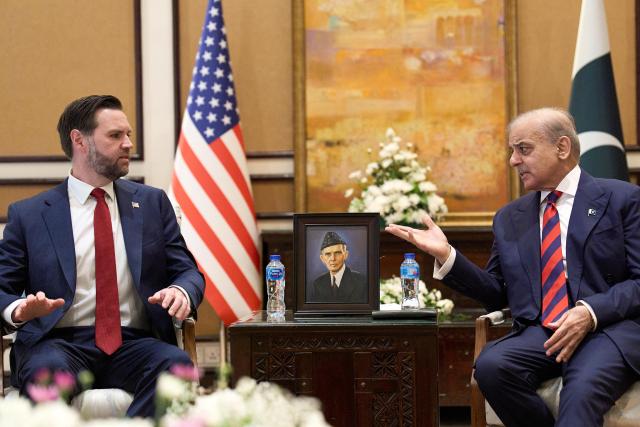
High-stakes diplomatic talks between the United States and Iran in Islamabad ended without an agreement after lengthy negotiations, as officials admitted key differences remained despite intense discussions lasting several hours. The US delegation, led by Vice President JD Vance, said it arrived with sincere intentions but ultimately left Pakistan without securing a commitment from Tehran regarding nuclear weapons development. Nevertheless, the meeting marked a rare moment of direct dialogue between the two long-time rivals, which historically relied on intermediaries for communication during major diplomatic negotiations. Pakistani leadership, including Prime Minister Shehbaz Sharif and army chief Asim Munir, was thanked by the US delegation for facilitating the sensitive diplomatic engagement.
Read more : US military to stay near Iran until ‘real deal’ reached, says Trump
During his remarks after the talks, Vance explained that Washington needed a clear and firm pledge from Tehran that it would not pursue nuclear weapons, something Iranian representatives refused to guarantee. Consequently, the US delegation decided to return home without a deal, emphasizing that genuine progress requires what American officials described as a “fundamental commitment of will” from Iran. Even so, both sides continued exchanging messages throughout the negotiations, showing that diplomatic channels remain open despite the stalemate. Analysts say the willingness to hold direct discussions still represents an important step in reducing tensions between the two adversaries.
Meanwhile, Iranian officials described the discussions as intense and wide-ranging, stating that negotiations addressed multiple sensitive issues including control of the strategic Strait of Hormuz and Tehran’s nuclear programme. Iran’s foreign ministry spokesperson Esmaeil Baqaei said talks lasted well into the early morning hours, covering war reparations, sanctions relief, and the broader goal of ending regional conflict. He emphasized that progress depends on the opposing side acting in good faith while avoiding what Tehran calls excessive demands and unlawful conditions. Furthermore, Iranian officials stressed that any agreement must recognize the country’s legitimate rights and national interests.
Read more : Strict security in place as Islamabad gears up for US-Iran talks
At the same time, the negotiations were overshadowed by rising geopolitical tensions involving other global powers, particularly after remarks from US President Donald Trump concerning possible military support for Iran. Trump warned that China would face serious consequences if it supplies weapons to Tehran, responding to intelligence reports suggesting Beijing may deliver new air defense systems in coming weeks. According to those intelligence assessments, Iran could use the current ceasefire period to rebuild and strengthen parts of its military capabilities with help from foreign partners. Trump also hinted that the matter could become a key issue during his upcoming meeting with Chinese leader Xi Jinping.
Adding another dimension to the diplomatic activity, senior Iranian military representatives reportedly arrived in Pakistan during the negotiations to support their country’s delegation and provide technical consultations. Reports indicated that officials from Iran’s Revolutionary Guard, air force, navy, and the Quds Force joined the diplomatic team mainly for logistical coordination and strategic advice. Their presence highlighted the high stakes involved in the negotiations, particularly regarding military balance and regional security. Ultimately, although the talks ended without a breakthrough, observers believe the discussions may still shape future diplomatic efforts aimed at stabilizing the region.