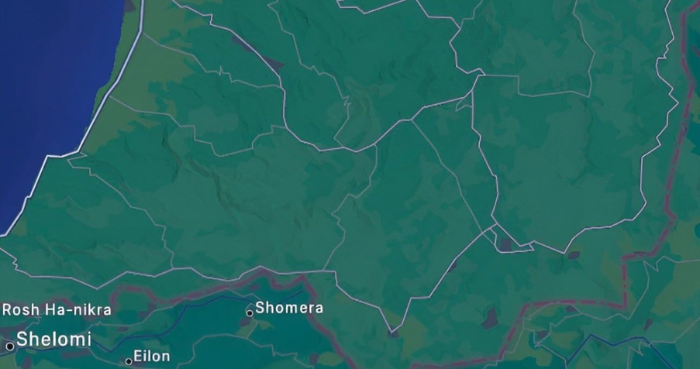
Apple is facing backlash after users reported that parts of southern Lebanon appear to be missing or lacking detail on Apple Maps, raising concerns amid ongoing regional tensions involving Israel.
Read More: Apple rebuilds mapping app, but will still tap TomTom
Social media users highlighted that several towns and villages in South Lebanon were no longer labelled on the platform, leaving large areas seemingly blank. The issue drew attention as nearby regions, including parts of Israel and Syria, continued to display normal geographic markers.
The discrepancy became more noticeable when compared with Google Maps, which still shows place names and locations in the affected areas. This contrast has fueled speculation and criticism online, with some users questioning whether the changes were accidental or politically influenced.
Apple has removed Lebanese village names in Southern Lebanon.
As Israel invades, they are already setting the state to justify occupation.
I’ve never seen something like this. pic.twitter.com/gKRcsmUjO3
— Ethan Levins 🇺🇸 (@EthanLevins2) April 12, 2026
The development comes at a sensitive time, as clashes involving Israel and the Lebanon-based group Hezbollah continue to shape the regional security environment. Some commentators suggested that removing place names could be interpreted as a political signal, particularly amid discussions in Israel about potential territorial changes.
However, there is no official confirmation that the issue is intentional. Analysts note that mapping platforms frequently undergo data updates, and errors can sometimes result in missing or incomplete information. Others have pointed to the possibility of technical glitches or even cyber-related disruptions affecting mapping data.
Apple has not yet issued a detailed public response regarding the reports. Observers say the company’s silence has contributed to growing scrutiny, given the importance of digital maps in navigation and real-time situational awareness.
Read More: Apple releases iOS 13.1 with new AirDrop features
Experts warn that inaccuracies on widely used platforms can have broader implications, particularly in conflict-affected areas where reliable geographic information is crucial. The incident has renewed debate about the responsibility of technology companies to ensure accuracy and neutrality in their digital services.