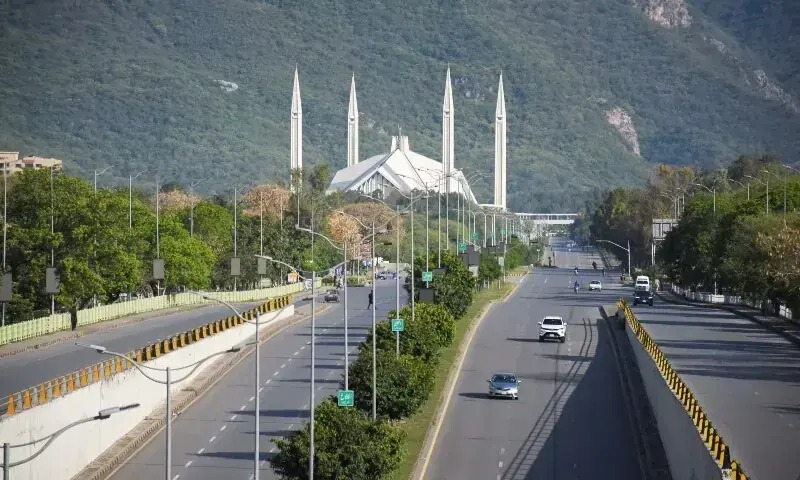
Authorities in Islamabad and Rawalpindi tightened security and suspended all public, private, and goods transport services as preparations intensified for the expected next round of US–Iran negotiations in the federal capital. Officials placed both cities on high alert, citing regional sensitivity and the need to maintain law and order during the high-stakes diplomatic period.
Islamabad Deputy Commissioner Irfan Nawaz Memon confirmed the suspension of transport services across the capital and urged citizens to fully cooperate with security agencies. Similarly, Rawalpindi authorities halted transport operations as a precautionary measure, while stating that updates would be shared as the situation develops further.
Read more : Iran talks could resume over next two days in Pakistan, says Trump
Despite widespread restrictions, the Metro Bus Service and Green Electric Bus Service continued operations in Rawalpindi to support essential commuter movement. Officials clarified that these services would remain functional under strict monitoring, while overall transport controls aimed to reduce unnecessary public movement in sensitive zones.
Meanwhile, authorities deployed massive security arrangements across both cities, involving more than 18,000 personnel from police, Rangers, and Frontier Corps units. Law enforcement agencies established joint checkpoints, enforced movement restrictions, and instructed deployed officers to follow strict protocols, including wearing anti-riot gear and avoiding mobile phone use during duty.
Read more : US, Iran eye Islamabad for fresh talks as Hormuz blockade tightens
In addition, officials sealed green belts, service roads, and key access points near designated routes to ensure controlled movement of any high-level delegations. They also restricted entry to duty areas, allowing only verified personnel with valid identification cards to access secured zones under enhanced surveillance measures.
At the same time, educational institutions and hostels faced closures and schedule changes as part of precautionary arrangements during the security operation. Several universities shifted classes online, postponed examinations, and directed hostel evacuations, while authorities emphasized that all measures were temporary and aimed at maintaining stability during the sensitive diplomatic period.