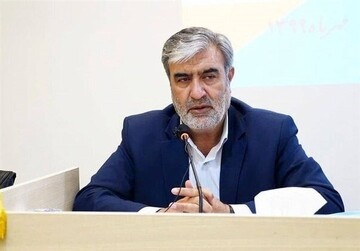
Ibrahim Azizi has stated that Iran has decided to continue negotiations with the United States, but will not accept what it calls unreasonable or excessive demands. His remarks come amid ongoing diplomatic discussions and uncertainty over the future of regional talks.
Read More: Iran Demands Joint Framework Before Setting Date for US Talks
In an interview, Azizi said that Iran will take whatever steps are necessary to protect its national interests and security. He added that Tehran has set clear limits for engagement with Washington, emphasizing that participation in any further rounds of talks, including those reportedly linked to discussions in Islamabad, would depend on positive signals from the US side.
Iran Rejects Trump’s Peace Talks Claim, Calls U.S. Demands “Unrealistic”
Tehran says it never agreed to new negotiations announced by Donald Trump, blasting Washington’s terms as “excessive” and “unrealistic” as tensions rise over the ongoing blockade and deep mistrust threatens… pic.twitter.com/xSdRHwulgs
— Washington Eye (@washington_EY) April 20, 2026
Azizi described negotiations as a strategic arena where both sides pursue their interests. He said Iran views dialogue as an opportunity only if it does not turn into a platform for pressure or coercion. According to him, if talks help maintain strategic balance, then they can be considered useful, but Iran will not engage under conditions that involve imposed demands.
Meanwhile, Masoud Pezeshkian also commented on the issue, stressing that mutual trust and respect for commitments are essential for meaningful negotiations. In a social media post, he said Iran’s historical distrust of the United States remains strong due to past experiences.
Pezeshkian further criticized what he described as inconsistent messaging from US officials, saying contradictory statements could harm diplomatic progress. He reiterated that Iran seeks fair engagement but will not accept pressure-based diplomacy.
Read More: Iran Refuses Islamabad Talks, Sets Condition to End Naval Blockade
The statements reflect continued tension in US-Iran relations, even as both sides signal openness to dialogue under specific conditions.