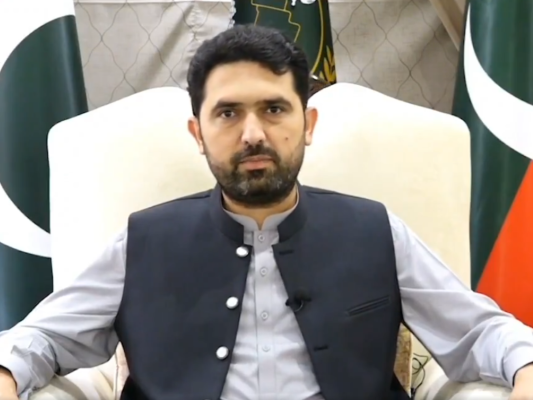
Khyber Pakhtunkhwa has warned it may withdraw cooperation with the federal government amid rising political tensions. The move is significant as it signals growing friction between provincial and central authorities in Pakistan. The development could affect governance coordination, development planning, and national policy implementation if escalation continues.
Sohail Afridi said the provincial government may reconsider its cooperation with the Centre, including a possible boycott. He raised concerns over delays in legal proceedings involving PTI founder Imran Khan. Afridi said such delays and political tensions are undermining trust and effective governance.
Read more: PTI cracks deepen over Sohail Afridi’s ‘release force’ plan for Imran
He also alleged political discrimination against his party and criticized the treatment of PTI workers and leadership. Afridi claimed that access to family members and personal doctors for Imran Khan has been restricted. He described these actions as violations of fundamental rights and called for immediate correction of what he termed unfair practices.
In addition, the chief minister raised concerns over the suspension of CNG supply in Khyber Pakhtunkhwa. He argued that provinces producing natural resources should have priority access to them under the law. Afridi warned that failure to restore supply could lead to stronger political action, including reconsideration of cooperation with federal institutions.
Read more: Sohail Afridi declared proclaimed offender: Court orders legal action
Meanwhile, the provincial cabinet also discussed fiscal reforms and approved development and governance-related measures. These included updates to debt management rules, budget planning for 2026–27, and improvements in public service delivery. The government also announced steps to increase public participation in development planning through digital feedback systems.
Overall, the statement reflects escalating political and administrative tensions between the provincial and federal governments. While development and governance reforms continue at the provincial level, political disputes remain a key source of friction. The situation highlights ongoing challenges in centre-province relations in Pakistan’s political landscape.