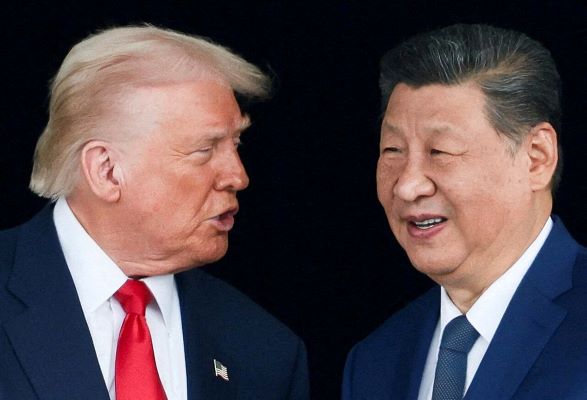
China rolled out new trade rules ahead of a key summit with Donald Trump and Xi Jinping, raising concerns among US businesses. The measures could penalize companies shifting supply chains away from China, increasing economic pressure. Meanwhile, the White House has remained largely silent, signaling a cautious approach before high-stakes talks.
Beijing’s latest regulations establish a legal framework to investigate and punish foreign firms reducing reliance on Chinese supply chains. Analysts say the move directly counters Washington’s push for “derisking” critical industries, including minerals and pharmaceuticals. As a result, companies may face tighter scrutiny and operational risks if they diversify sourcing.
Read more: China rejects US claim over seized Iran cargo ship dispute
US officials and business groups have expressed alarm over the timing and scope of the rules. According to sources, the move suggests China is testing Washington’s willingness to maintain a fragile trade truce. Experts warn that a muted response could embolden Beijing and weaken US negotiating leverage ahead of the summit.
In contrast to earlier tensions, including threats of sweeping tariffs and export bans, the current US stance marks a shift toward restraint. Officials appear focused on avoiding escalation before the meeting, prioritizing strategic stability. However, critics argue that silence may signal weakness and encourage further economic pressure from China.
Read more: China rejects Trump ship claim strongly
The new measures also introduce potential penalties for firms complying with US sanctions, broadening China’s leverage over global businesses. Analysts caution that, if left unchallenged, these rules could reshape supply chains and deepen corporate dependence on China. As the summit approaches, both sides face mounting pressure to balance competition with cooperation.