A dispute over prize money at the upcoming French Open has intensified after several top women’s tennis players warned they could boycott the tournament if financial concerns are not addressed.
Read More: French Open prize money up 10% to $72 million overall
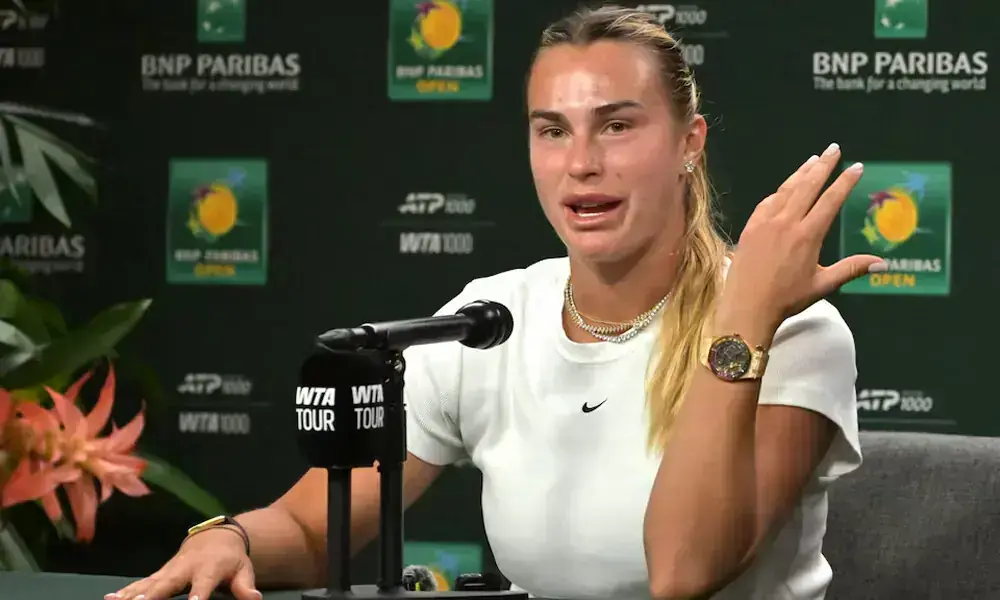
World number one Aryna Sabalenka and American star Coco Gauff are among the leading players voicing frustration over what they describe as an unfair share of tournament revenue.
According to reports, players are expected to receive less than 15 percent of the tournament’s total revenue as prize money, triggering criticism from several athletes. A joint statement reportedly issued by multiple high-profile players called for a more balanced distribution of earnings.
Players would boycott the French Open if their prize money from it is not increased, women’s world number one Aryna Sabalenka said https://t.co/k6mETu52jg pic.twitter.com/Af5rP5AWjn
— Reuters (@Reuters) May 5, 2026
Sabalenka said players may eventually have no option other than a boycott if organizers fail to increase prize money.
“At some point, we will boycott this tournament,” Sabalenka said, stressing that fighting for players’ rights may require stronger action. She added that the current financial arrangement is unfair and expressed hope that negotiations could lead to an agreement acceptable to all parties.
The controversy comes despite organizers announcing a 9.5 percent increase in the total prize pool for this year’s French Open, taking it to $72.19 million.
However, players argue that the increase still does not reflect the tournament’s overall earnings or match payouts offered by rival Grand Slam events.
For comparison, the US Open offers $90 million in prize money, while Australian Open provides $80.06 million. Prize money at Wimbledon Championships stands at $72.51 million, slightly above the French Open.
Read More: French Open Tennis Championships prize money increased
The dispute highlights growing tensions between professional players and tournament organizers over revenue sharing in tennis. With the clay-court Grand Slam approaching, attention is now turning to whether negotiations can prevent further escalation and avoid disruption to one of the sport’s biggest events.