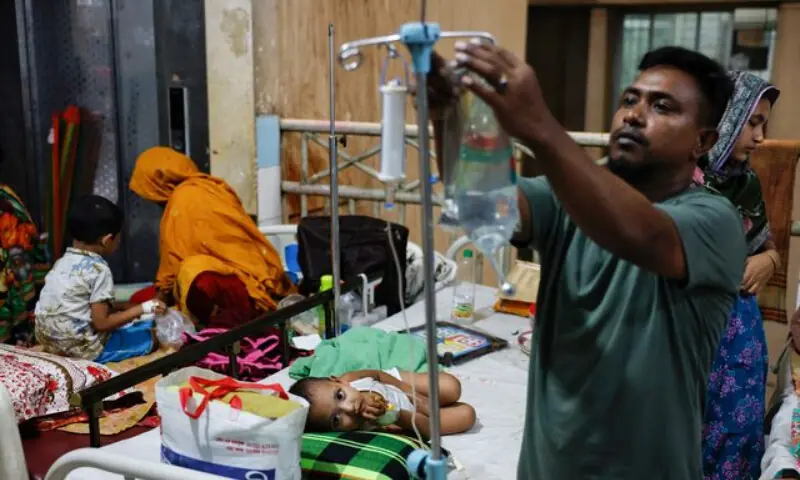
Bangladesh is facing its deadliest measles outbreak in decades as hospitals across the country struggle to manage rising infections among children and rapidly increasing death numbers. Since March 15, authorities have recorded 336 child deaths and more than 50,000 confirmed and suspected measles cases nationwide, creating serious pressure on the healthcare system.
Hospitals in Dhaka and other major cities continue treating thousands of young patients suffering from severe breathing problems, weakness, and dangerous complications linked to the highly contagious virus. Most infections have affected children between six months and five years old, while health officials reported 17 child deaths within a single day earlier this week.
Read more : Pakistan, Bangladesh renew rivalry in first Test
Health experts believe vaccination gaps during and after the political unrest that removed the previous government in 2024 left many children vulnerable to infection. Bangladesh had previously achieved significant progress in controlling infectious diseases, but delays in a nationwide measles vaccination campaign weakened herd immunity across the country.
In response to the growing crisis, health authorities launched an emergency measles-rubella vaccination campaign on April 5 with support from international organisations and security forces. Officials stated that nearly 17 million children have already received vaccines during the drive, although experts warned that at least 95 percent coverage is necessary to stop widespread transmission effectively.
Read more : Pakistan welcomes Bangladesh’s new government
Doctors working in overcrowded hospitals said many vaccinated children still became infected because weakened herd immunity reduced the vaccine’s overall protective impact. Families described emotional battles to save their children, while medical staff continued providing oxygen support and emergency treatment to severely ill patients in dedicated measles wards.
Meanwhile, authorities have prepared for further medical emergencies by establishing a 20-bed military field hospital at Dhaka Medical College Hospital to handle additional patients if needed. Officials also expressed concern over the approaching dengue season following recent heavy rainfall, which could place even greater pressure on Bangladesh’s already strained healthcare services.