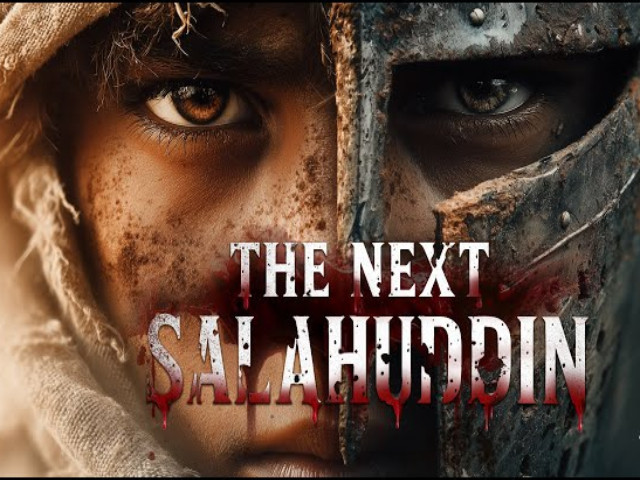
Pakistan’s first AI-generated film, The Next Salahuddin, is set to make its television premiere after being picked up by HUM TV, triggering debate online about the growing use of artificial intelligence in creative industries.
Read More: Hollywood faces AI crisis after Dor Brothers’ viral film – Daily Times
The children’s film previously had a limited theatrical release across nine cities in Pakistan earlier this year. HUM TV announced on Friday that it would soon air the project on television, though an official release date has not yet been confirmed.
Produced by Jinn TV, the film follows Yousuf, a young boy from Gaza whose life is shattered after an airstrike kills members of his family and destroys his home. The story then centres on his dream of uniting Muslims globally and raising the Palestinian flag over Al Aqsa Mosque in Jerusalem, drawing inspiration from Salahuddin Ayubi.
The project was conceptualised by Asim Ismail and created by Farhan Siddiqui using artificial intelligence tools. Malaysian non-profit organisation Cinta Gaza Malaysia also contributed to the film’s development.
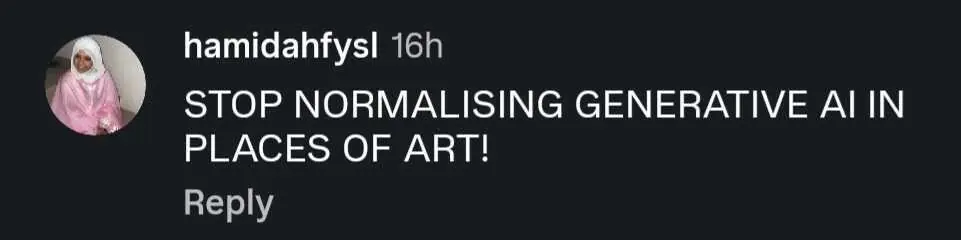
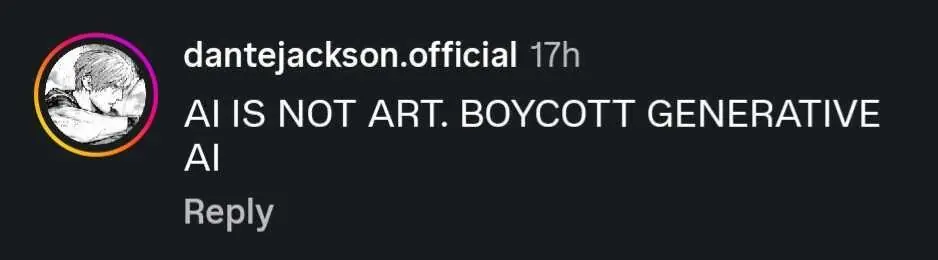
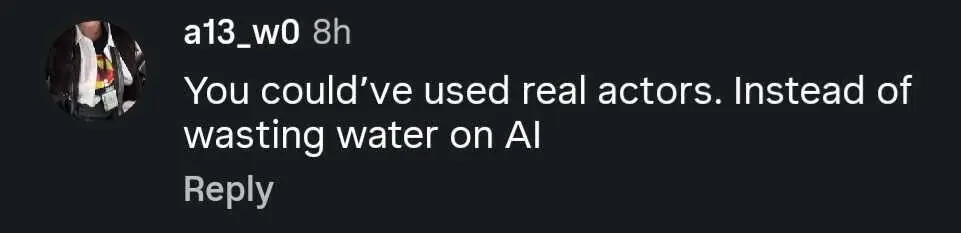
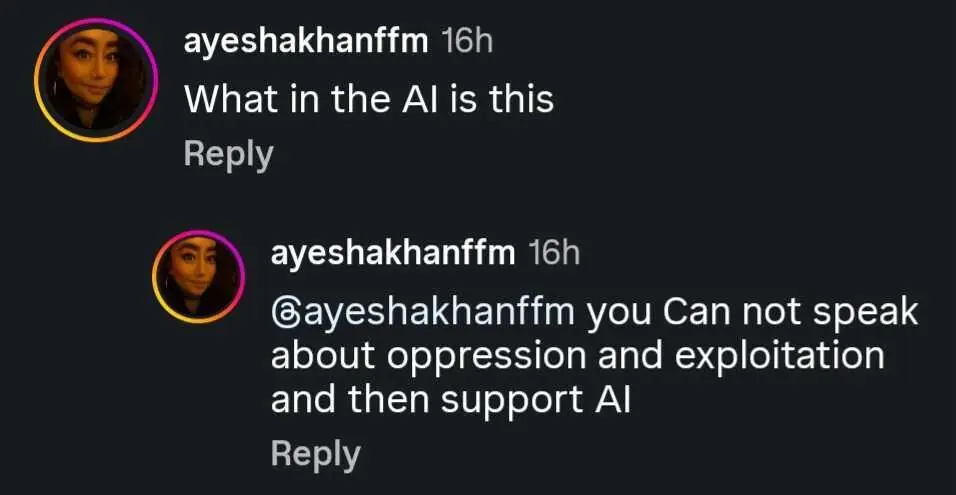
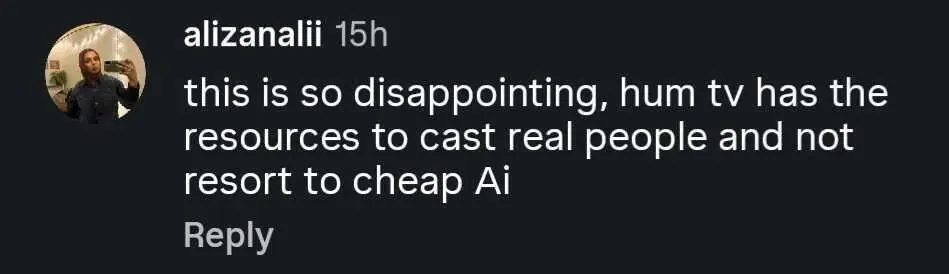
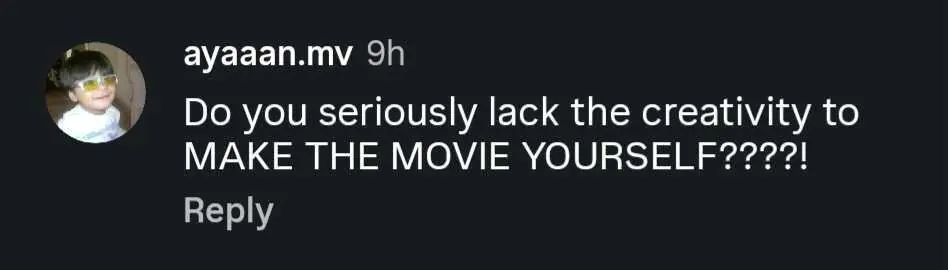
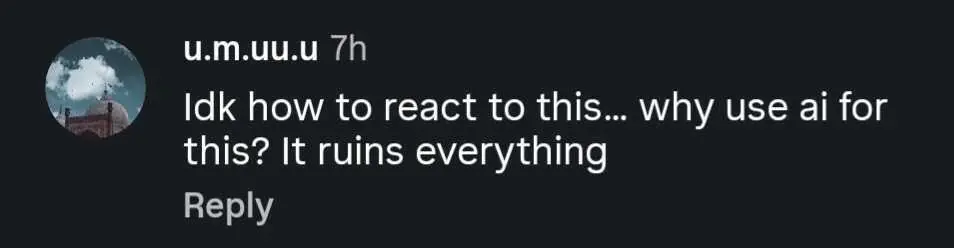
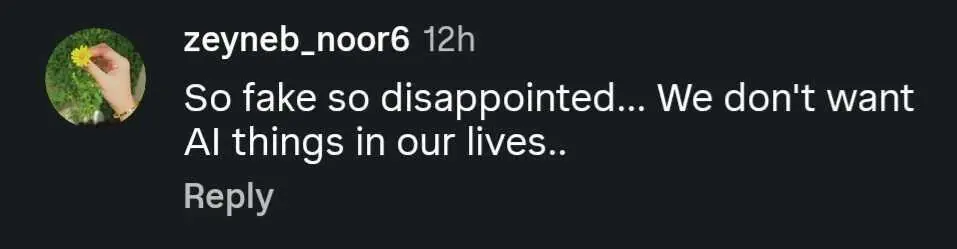
While the announcement marked a milestone for Pakistan’s entertainment industry, reactions on social media were mixed. Many users questioned whether AI was an appropriate medium for telling stories rooted in human suffering and political conflict.
Critics argued that major media networks have sufficient resources to produce traditional films without relying on generative AI. Others raised broader concerns around AI, including its environmental cost, impact on artists’ livelihoods, and ethical issues surrounding training data.
Supporters, however, view the film as an example of emerging technological possibilities in local filmmaking and a sign that Pakistan’s media industry is experimenting with new storytelling methods.
Read More: Film poster for Toxic sparks speculation over AI use
The upcoming TV release has now turned the film into a wider conversation about whether AI should be embraced as a creative tool or resisted as a threat to traditional artistic expression.