China has recorded a decline in petrol consumption, with overall demand falling by 5.5 percent, according to recent reports highlighting shifting energy trends in the world’s second-largest economy.
Officials and industry observers attribute the decrease to a combination of global and domestic factors, including rising international oil prices linked to geopolitical tensions and policy shifts within China’s energy sector.
Read More: China’s gasoline exports fall 35.7% in July as profit margins weaken
One of the key external factors cited is the impact of conflict-related disruptions in global oil markets, which have pushed up crude prices and increased fuel costs for consumers and industries. Higher prices have contributed to reduced demand for petrol across transportation and commercial sectors.
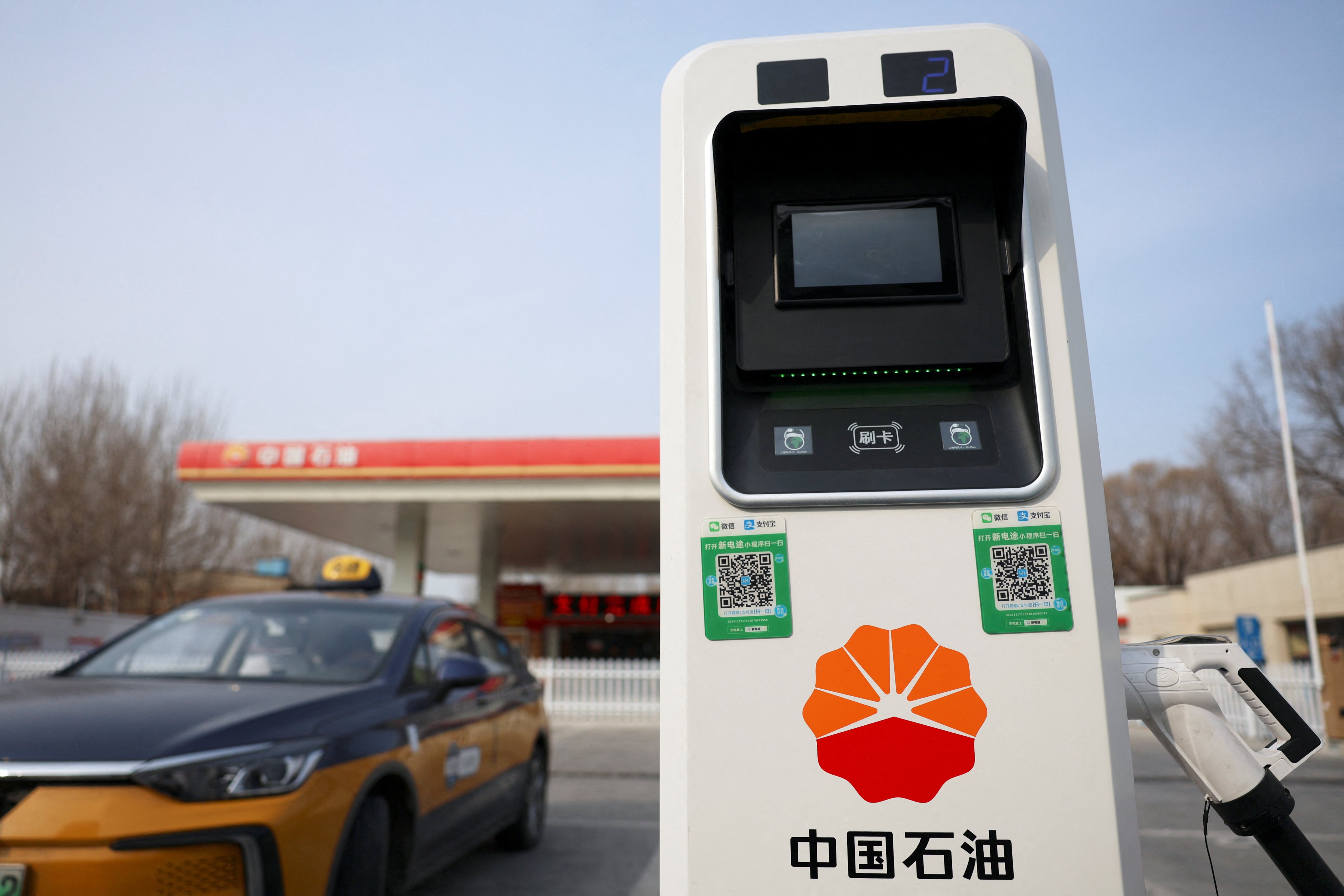
At the domestic level, China’s long-term push to transition away from fossil fuels has also played a significant role. The government has been actively encouraging the use of electric vehicles (EVs) and discouraging reliance on petrol-powered cars through incentives and regulatory measures.
This policy direction is part of Beijing’s broader strategy to reduce carbon emissions, improve air quality and decrease dependence on imported oil. As electric vehicle adoption continues to rise, petrol demand in the transport sector has shown a gradual downward trend.
Analysts say the combined effect of higher fuel prices and the rapid expansion of the EV market has accelerated the decline in petrol consumption. Major Chinese cities have also expanded charging infrastructure, making electric vehicles more practical for everyday use.
Despite the fall in petrol demand, overall energy consumption in China remains high due to industrial activity and growing electricity needs. However, the structure of energy demand is steadily shifting toward cleaner sources.
Read More: China to set up $15 billion Oil refinery complex in Pakistan
Experts believe that if current trends continue, petrol consumption in China may see further declines in the coming years, especially as electric mobility becomes more widespread and government policies continue to favour low-emission transportation.
The development reflects a broader global transition in energy consumption patterns, particularly in major economies investing heavily in renewable energy and electrification.