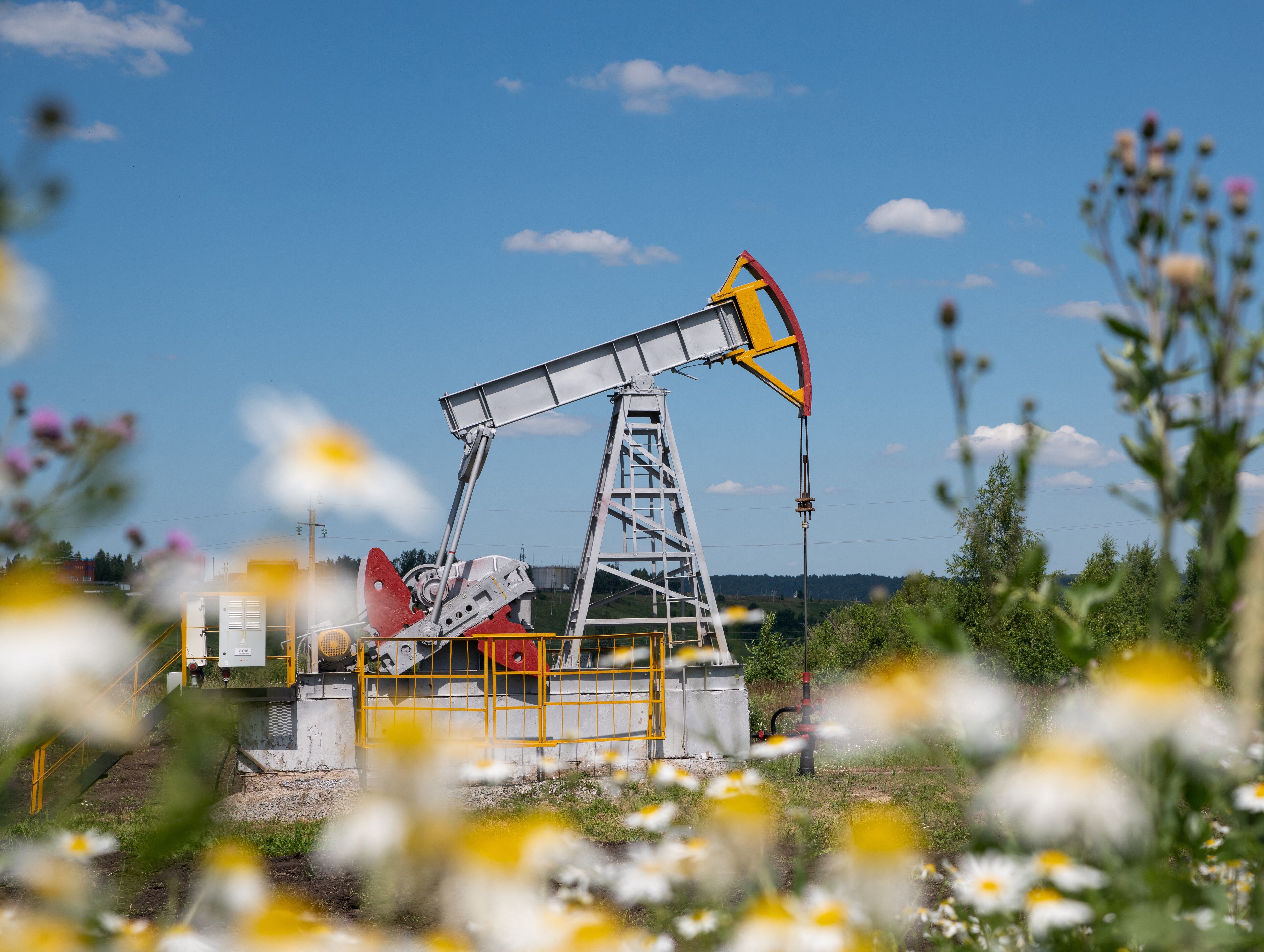
Oil prices increased on Friday as investors closely monitored slow progress in US-Iran peace negotiations, which are linked to the reopening of the strategic Strait of Hormuz. Brent crude futures rose to 103.54 dollars per barrel, while US West Texas Intermediate also posted modest gains. Consequently, market sentiment remained highly sensitive to diplomatic developments and supply concerns.
Read more : Oil prices rise amid uncertainty over US-Iran talks
Despite intraday volatility, both Brent and WTI posted weekly losses as expectations for a breakthrough peace deal shifted repeatedly throughout the trading sessions. Meanwhile, Brent fell more than five percent over the week, while WTI dropped over eight percent, reflecting unstable investor confidence. As a result, oil markets continued reacting sharply to changing geopolitical headlines.
Analysts said uncertainty around Iran-US talks kept traders cautious as competing reports emerged about possible progress in negotiations. Furthermore, market experts noted that shifting statements regarding sanctions, uranium stockpiles and shipping access through the Strait of Hormuz added to price fluctuations. Consequently, investors struggled to predict short-term market direction.
Read more : Govt slashes petrol price by Rs 6 per litre, diesel by Rs 6.80
According to energy analysts, global oil inventories have been depleting rapidly as shipping flows through the Strait of Hormuz remain severely restricted. In addition, reduced tanker movement has tightened global supply, placing upward pressure on crude prices despite ongoing diplomatic efforts. As a result, energy markets remain under strain amid geopolitical uncertainty.
Officials and market sources reported that communication continues between US, Iranian and regional mediators, including Pakistan, as efforts to bridge negotiation gaps continue. Meanwhile, discussions still face major disagreements over uranium enrichment and control of the Strait of Hormuz. Therefore, analysts say a final agreement remains uncertain despite cautious optimism.
Energy forecasts suggest oil prices may remain elevated if supply disruptions continue, with some estimates predicting prolonged recovery timelines for Gulf energy infrastructure. Furthermore, analysts warn that full normalization of oil flows through the Strait of Hormuz could take years even after a peace deal. Consequently, global markets are expected to remain volatile in the near term.