)
ISLAMABAD: Pakistan’s mediation role as a potential intermediary in easing tensions between the United States and Iran has received attention in recent international commentary, with reports suggesting that Islamabad has pursued discreet diplomatic engagement with multiple regional and global stakeholders.
Read More: Mediation: Challenges for Pakistan
According to Turkish broadcaster TRT, Pakistan has emerged as a “reliable intermediary” during periods of heightened US-Iran tensions, particularly through what it describes as quiet, structured and results-oriented diplomacy rather than public diplomatic posturing.
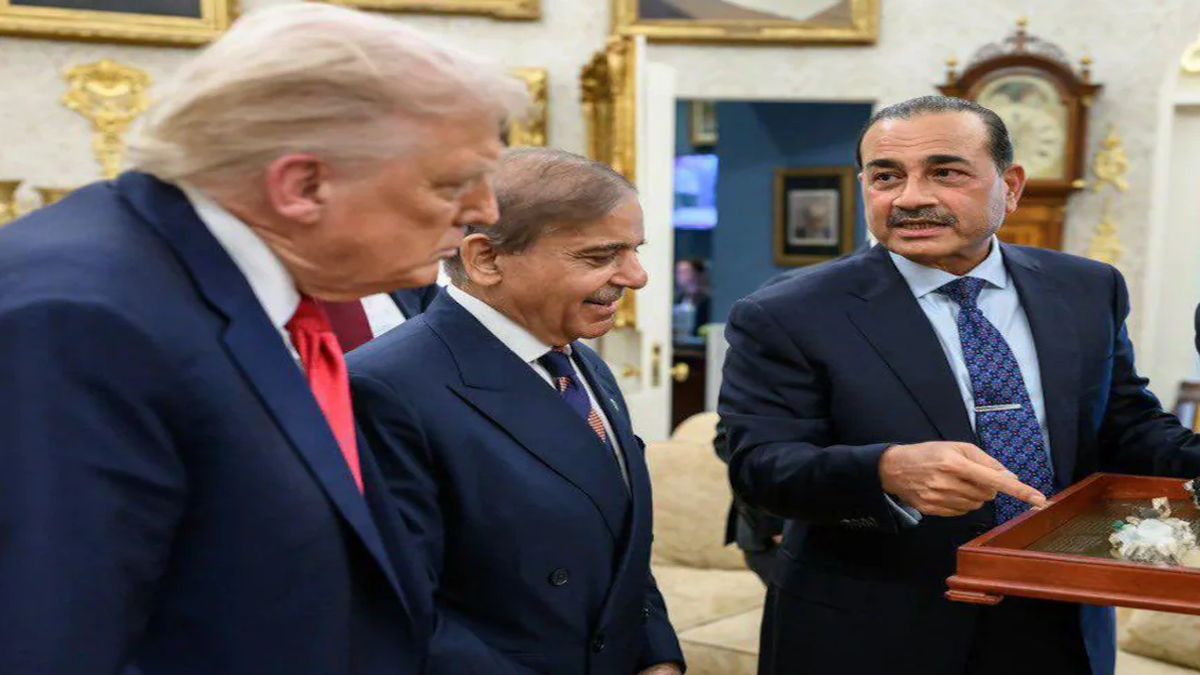
The report highlights that Pakistan’s military leadership, including Chief of Defence Forces Asim Munir, has played a notable role in maintaining communication channels during sensitive regional developments. It describes his approach as focused on backchannel diplomacy and strategic engagement aimed at reducing escalation risks.
The commentary further states that Pakistan’s geographic position, security establishment and longstanding relationships with both Western and Middle Eastern states have contributed to its perceived ability to engage with multiple sides simultaneously.
It also notes that Pakistan continues to maintain active diplomatic relations with key regional actors including the United States, China, Iran, Gulf countries and Türkiye, which has helped position Islamabad as a participant in broader regional dialogue efforts.
The report suggests that Pakistan’s balancing role has become more visible amid shifting geopolitical dynamics in the Middle East, where tensions between global and regional powers have remained high. It further argues that counterterrorism efforts and internal stability are increasingly viewed as essential components for any country seeking a constructive regional role.
However, analysts generally note that while Pakistan maintains diplomatic contacts with various stakeholders, any mediation role in complex conflicts such as US-Iran tensions remains informal and largely dependent on broader international consensus.
Read More: Pakistan Mediation Saves Millions of Lives, Says Prime Minister
The commentary also points out that Pakistan’s foreign policy continues to navigate economic pressures and regional security challenges, which may influence its capacity to sustain an expanded diplomatic footprint in the future.
Observers say that while Islamabad seeks to project itself as a bridge between competing regional interests, the effectiveness and scope of such a role will depend on evolving geopolitical conditions.