New Lebanon-Israel talks are set to begin in Washington on Tuesday. The negotiations aim to secure a ceasefire after months of conflict in Lebanon. The process matters as regional diplomacy faces pressure from US-Iran developments.
Lebanon is entering the new round of talks with Israel despite limited progress in earlier efforts. Four previous rounds since April failed to deliver a durable ceasefire. The ongoing war, triggered in March, has already killed thousands in Lebanon and intensified regional instability.
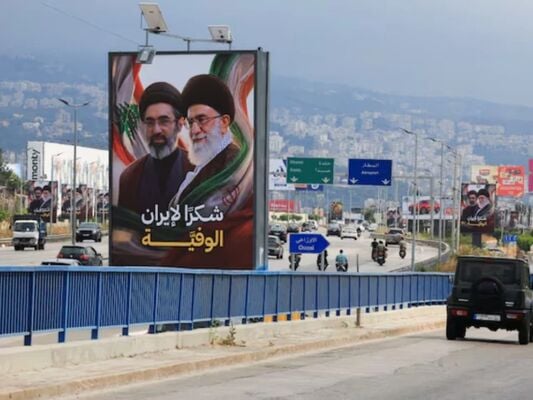
The talks come in the shadow of a recent US-Iran memorandum of understanding. That agreement has shifted regional dynamics and influenced ceasefire conditions across multiple fronts. Lebanese officials say the deal has weakened Beirut’s negotiating position in direct talks with Israel.
Lebanese representatives are expected to push for a clear Israeli military withdrawal timeline. However, Israeli officials insist troops will remain in southern Lebanon until Hezbollah is disarmed. The disagreement highlights a deep trust deficit between both sides and limits expectations for rapid progress.
Meanwhile, Hezbollah continues to reject full disarmament and urges the government to abandon direct negotiations. Analysts warn that the US-Iran agreement may harden Israeli positions during talks. Despite continued diplomacy, major gaps remain between both sides, leaving the outlook uncertain.