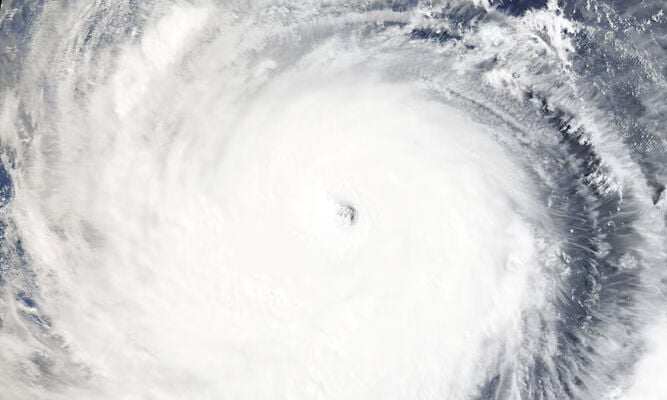
China and Taiwan have stepped up emergency preparations as Typhoon Bavi, packing winds of nearly 200 km/h, approaches the region. Forecasters warn it could become one of the largest and most destructive storms to hit the area in decades. Millions of residents, emergency responders, and transport networks are expected to be affected.
Meteorologists said the storm spans nearly 1,000 kilometres and is forecast to pass north of Taiwan before making landfall in China’s Fujian Province by Saturday evening. Taiwanese authorities have placed 29,000 soldiers on standby for rescue and relief operations. Northern Taiwan, including areas near Taipei, could receive up to one metre of rainfall.
Read more: Taiwan to restore power after Typhoon
Meanwhile, officials warned that Typhoon Bavi arrives as China continues recovering from Typhoon Maysak, which recently struck Guangxi. The earlier storm left at least 39 people dead and nine missing, while severe flooding damaged homes, farms, and infrastructure. Authorities fear another major storm could worsen the humanitarian and economic impact.
The approaching typhoon has also disrupted regional travel across East Asia. Hundreds of fishing boats have returned to safe harbours, while residents rushed to secure homes and harvest crops. In Japan’s Okinawa Prefecture, major airlines cancelled dozens of domestic and international flights because of expected strong winds and dangerous sea conditions.
Read more: Typhoon in eastern China causes landslide, killing 13 people
Weather experts said Typhoon Bavi may weaken slightly before landfall but will remain highly dangerous due to its size and heavy rainfall. Scientists also linked the increasing intensity of storms to warmer ocean temperatures associated with El Niño. Authorities across China, Taiwan, and Japan have urged residents to follow official warnings and evacuation instructions.