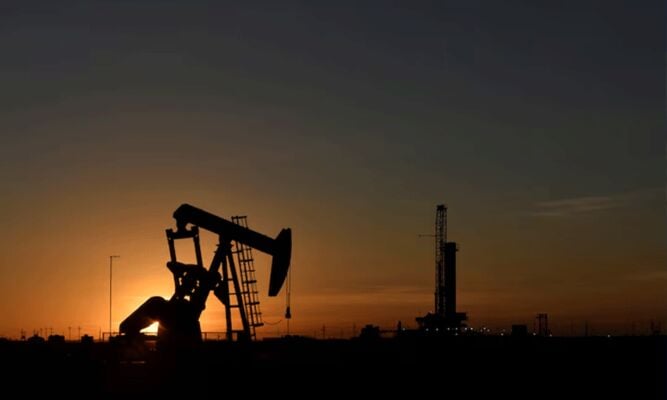
Asian stock markets declined on Monday as escalating conflict in the Gulf and renewed concerns over the Strait of Hormuz sent oil prices sharply higher, raising fears of inflation and increasing uncertainty across global financial markets.
Read More: Oil prices ease after Opec+ boosts output targets
Investor sentiment weakened after Iran claimed to have closed the strategically important Strait of Hormuz, a vital route for global energy shipments. The development pushed crude oil prices up by more than four percent, with Brent crude climbing to $79.11 per barrel and US West Texas Intermediate reaching $74.37 per barrel. The surge reversed weeks of relatively lower energy prices and reignited concerns over rising costs for businesses and consumers worldwide.
Markets across the Asia-Pacific region reacted negatively to the geopolitical developments. Japan’s Nikkei index dropped 1.6%, while South Korea’s Kospi extended its recent losses with a sharp decline. Broader regional indices also moved lower as investors shifted towards safer assets amid growing uncertainty.
The rise in oil prices also strengthened the US dollar and lifted Treasury yields as traders reassessed expectations for Federal Reserve policy. Markets reduced expectations of near-term interest rate cuts, with investors now focusing on upcoming US inflation data and Federal Reserve Chair Kevin Warsh’s congressional testimony for clues on the future direction of monetary policy.
Technology stocks remained under pressure despite analysts maintaining a positive long-term outlook for the sector. Investors are also preparing for the start of the US corporate earnings season, with major banks, Netflix and General Electric expected to release financial results this week.
Higher bond yields weighed on gold prices, which slipped despite ongoing geopolitical tensions. Meanwhile, the euro and British pound weakened slightly against the US dollar as investors favoured the greenback during heightened market volatility.
Read More: Pakistan plans market-based petroleum pricing reforms
Analysts believe developments in the Gulf will remain a key driver of financial markets in the coming days. Any further disruption to global oil supplies or escalation in regional tensions could continue to influence investor confidence, inflation expectations and monetary policy outlooks worldwide.