 A divided nation grappling with rising inequality, new mass media and the growth of populist politics.
Sounds familiar?
Germany’s first democracy, the Weimar Republic of 1919-1933, has long been regarded as a lesson in political failure. Lately, it has also been held up as a cautionary tale for the present.
It emerged from the ruins of World War I, as a defeated nation tried to reinvent itself in the midst of economic and social turmoil. It ended with Adolf Hitler’s Nazi party seizing power, persecuting minorities and leading Germany into another calamitous war.
A new exhibition in Berlin, 100 hundred years later, is questioning the perception that the era’s political and economic disaster was inevitable and stressing the lasting impact of the Weimar Republic.
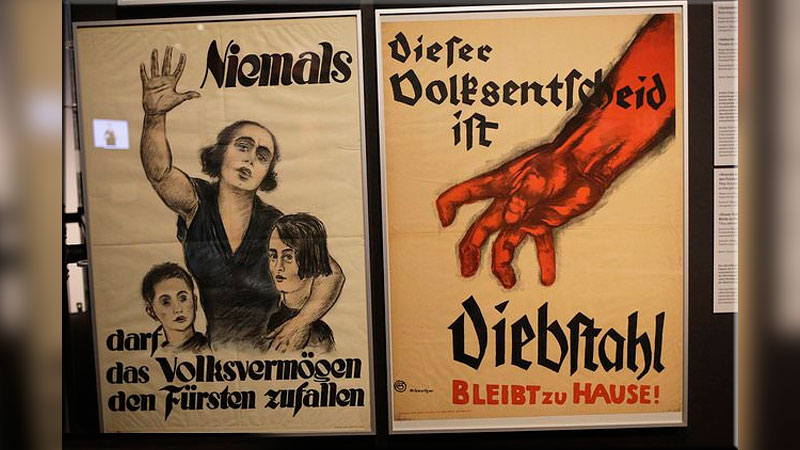
Among the 250 items on display at the German Historical Museum in Berlin are campaign posters highlighting the political debates of the era, from the fight for secular education to a debate over the expropriation of Germany’s aristocracy.
A startlingly modern kitchen reflects the efforts that the era’s designers made to accommodate the needs of working women and the worldwide influence of artistic and architectural trends like the Bauhaus movement .
Radio recordings by prominent figures, including the physicist Albert Einstein, reveal the buzz surrounding this new medium and the way it sped up the news cycle – for better and for worse.
Advertisements for family planning (“Do not go blindly into marriage!”) and clips from 1920s films about gay and lesbian love affairs reflect the new-found confidence of a generation willing to challenge sexual norms.