A wedding is primarily a celebration. It is also a declaration of commitment two people are making publicly. All cultures and societies have their wedding norms and traditions. While there is great diversity across the world in this regard there are a lot of similarities too. These include inviting guests, having food, exchanging gifts and fine dressing.
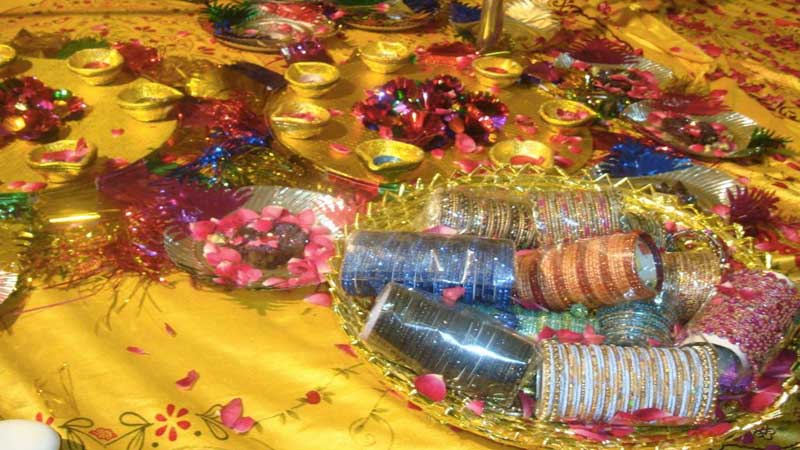 There are some remarkable differences in traditions surrounding the occasion as a result of the ways the various cultures have evolved in Khyber Pakhtoonkhwa; in northen areas including Gilgit; and in some parts of Balochistan. The point I wish to make here is that in terms of absurdity, foolishness, lavishness and materialism on display, a Punjabi wedding takes the cake.
Let’s begin with absurdity. To start with, the bride and the groom need a clearance by the in-laws. This goes far beyond the concept of seeking approval. A Punjabi clearance involves going over the entire history of the individuals and their families with a fine tooth comb. The investigation extends to financial standing, political beliefs and tastes in cuisine and apparel.
There are some remarkable differences in traditions surrounding the occasion as a result of the ways the various cultures have evolved in Khyber Pakhtoonkhwa; in northen areas including Gilgit; and in some parts of Balochistan. The point I wish to make here is that in terms of absurdity, foolishness, lavishness and materialism on display, a Punjabi wedding takes the cake
The foolosophy includes the pay-for-your-food phenomena. While guests everywhere in the world tend to bring gifts for the bride and the groom to express their joy, here the financial transactions are recorded as debit and credit entries in family books. Several people in most families can remember the amounts they gave others on weddings and they expect you to deliver the same for their own. Those who cannot trust their memories, keep written record. There is no shame in this insistence on reciprocity. It is business, not just a fun occasion.
You and your family are invited to the wedding but remember to pay the two accountants on the main stage before you start eating at the feast.
The desire for conspicuous consumption is a norm. It is not limited to the affluent. Even the poorest of the poor do it. Inviting 200 to 500 guests after all is making a public statement. There is no room here for concepts of privacy, austerity or modesty to be entertained. They are considered out of place if not entirely meaningless.
Then there is joota chhupai whereby the bride’s relatives steal the shoes of the groom, to be returned at a huge cost. The toxicity of the transaction is diluted through an intense bargaining session involving loud youths on both sides.
The rationale and meaning of hiding groom’s shoes, prior to his departure for the first night with the bride, is an ethical mystery.
We are told that 64 per cent of Pakistan’s population is under the age of 30. This makes it more than than 120 million youths. Imagine the financial burden of irrationality. And yet, such open-ended questions are not considered something the nation’s policymakers should worry about. They remain problems to be solved by individuals lacking training.
Nowhere is the old Pakistan more defiantly holding its own against the talk of a challenge from a Naya Pakistan than at our Punjabi weddings. Well, what of it?
The writer is a teacher. He has been to United States, Turkey, and Germany