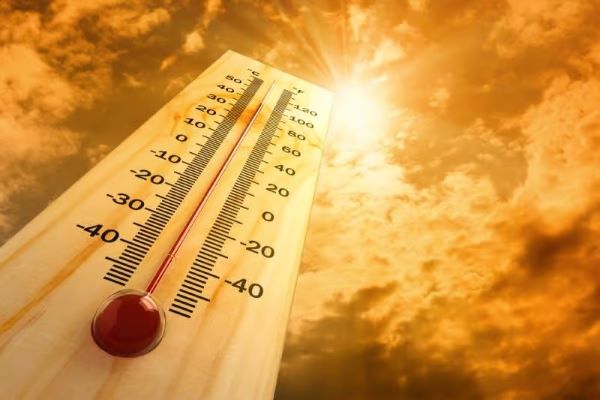
A fresh spell of intense heat has gripped Punjab, with temperatures rising across the province and weather authorities warning that conditions are likely to become even hotter over the next few days.
Read More: Punjab faces rising temperatures after rainy system departs
According to the Pakistan Meteorological Department, dry weather is prevailing in most parts of Punjab, including Lahore, where temperatures are expected to climb significantly during the daytime.
The temperature in Lahore was recorded at around 32 degrees Celsius in the morning after a minimum temperature of 26 degrees Celsius overnight. Meteorologists forecast that the mercury could reach 41 degrees Celsius during the day, with temperatures expected to rise further in the coming days.
Weather experts have warned that warmer nights may add to public discomfort. Minimum temperatures are projected to increase from around 26 degrees Celsius to 28 degrees Celsius, reducing nighttime relief and making conditions feel more humid and oppressive.
The Met Office has indicated that heat intensity is likely to increase gradually over the next 24 to 48 hours. Temperatures in Lahore and several other districts of Punjab could touch 42 degrees Celsius, raising concerns about heat-related health risks, particularly for vulnerable groups.
Authorities have urged residents to take precautionary measures to protect themselves from extreme heat. Citizens have been advised to avoid prolonged exposure to direct sunlight, especially during peak afternoon hours, and to remain adequately hydrated throughout the day.
Health experts also recommend wearing light and loose-fitting clothing, limiting strenuous outdoor activities and paying special attention to children, elderly individuals and those with existing medical conditions.
Read More: Rain spell ends as hot, dry weather returns across Punjab
The latest forecast comes as large parts of Pakistan continue to experience above-normal temperatures during the summer season. Officials are closely monitoring weather patterns and have advised the public to stay informed through official updates and follow safety guidelines to reduce the risk of heat-related illnesses.