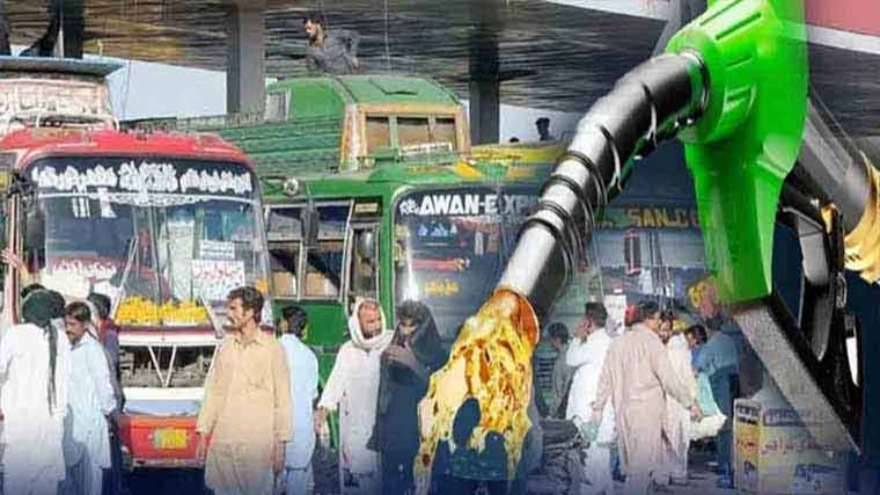
Rawalpindi authorities have reduced public and goods transport fares after a sharp decline in petrol and diesel prices, passing relief directly to commuters and businesses. The decision aims to ease rising transport costs and reduce financial pressure on daily travelers. Officials confirmed that revised fare structures are now being implemented across the region.
Furthermore, the adjustment was finalized during a meeting chaired by Syed Asad Abbas, Secretary of the Regional Transport Authority, where transporters and officials jointly agreed on new fare rates. The meeting reviewed recent fuel price reductions announced at the federal level and their direct impact on operational costs. Stakeholders emphasized ensuring that savings are fairly transferred to the public.
Read more : Petrol will now cost Rs 458 per litre, diesel Rs 520
In addition, the Regional Transport Authority announced that diesel-based transport fares have been reduced by 15 percent, reflecting the significant drop in diesel prices. Meanwhile, vehicles operating on petrol will now charge 5 percent lower fares across services. These changes apply to both urban and intercity public transport systems.
Moreover, goods transport fares have seen a substantial reduction of up to 26 percent, marking one of the largest recent adjustments in logistics costs. This reduction is expected to lower the cost of transporting essential goods and commodities across markets. Business operators believe the change will gradually help stabilize supply chain expenses.
Read more : Petrol price hike in Pakistan: Why comparing only fuel …
At the same time, transport unions and service providers have assured authorities of full compliance with the revised fare structure across all routes. Officials confirmed that enforcement measures will ensure consistent implementation in both passenger and freight transport sectors. The policy aims to guarantee transparency and prevent overcharging by operators.
Overall, officials stated that the fare reductions are directly linked to falling fuel prices, which have significantly lowered transportation operating costs. They added that this development will likely ease inflationary pressures by reducing both commuting expenses and goods movement charges. Authorities expect continued stability if fuel prices remain favorable.